
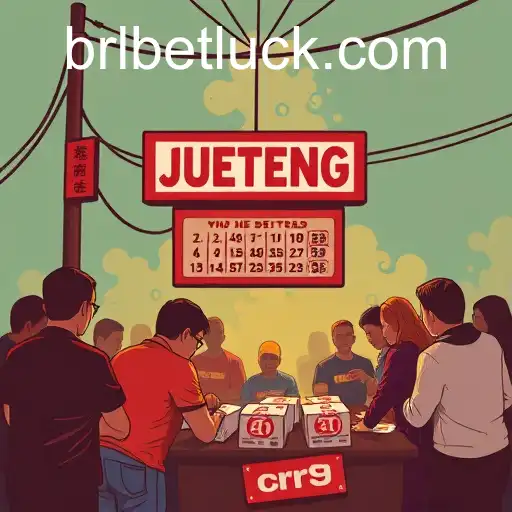
phbet PH Login | Unveiling Jueteng: The Persistent Shadow Over Philippine Gambling
phbet PH Login’s This article delves into the culturally ingrained yet illegal game of Jueteng in the Philippines, exploring its origins, societal impact, and the challenges facing reforms.
Exploring Jueteng: The Undercurrent of Philippine Gambling Culture
Jueteng is a widely recognized yet notorious form of illegal lottery in the Philippines. This numbers game has thrived for generations despite efforts to eradicate it. Often linked with corruption, crime, and intrigue, Jueteng remains a topic of heated debate and cultural reflection within the nation.
The Roots of Jueteng: History and Evolution
The origins of Jueteng can be traced back to the Spanish colonial period. Initially called "Juego de Antes" or "Game of Before," it was a pastime for Chinese immigrants. The game evolved over time, adapting local numerical names and becoming rooted deeply in Filipino culture. What started as a benign game transformed into a complex enterprise woven into the socio-economic fabric of the country.
Mechanics of Jueteng: How It's Played
In Jueteng, players choose a pair of numbers between 1 and 37. Combinations are bet on, and draws are held to determine the winners. Draws take place multiple times each day, often behind closed doors, adding to the perceived thrill and secrecy of the game. Players place their bets through "kubradores" and "cobradors," who facilitate transactions between the bettors and the game operators.
The Allure of Jueteng
Jueteng captivates many due to its potential for quick cash returns with relatively low entry costs. While illegal, its simplicity and accessibility attract people from all socio-economic backgrounds. In regions where poverty is widespread, Jueteng offers a glimpse of hope for better financial prospects. The cultural acceptance of gambling in the Philippines further strengthens the allure of Jueteng among the populace.
Jueteng and Its Societal Impact
The existence of Jueteng extends beyond mere gambling. It is often linked to corruption, as bets and bribes become intertwined with political operations and law enforcement agencies. Despite promises of reform, Jueteng operators allegedly maintain connections with influential political figures, enabling them to circumvent legal challenges and continue their operations with relative impunity.
This entanglement is visible during elections, where Jueteng money is rumored to support certain candidates in exchange for protection and favorable policies. As such, Jueteng not only impacts the economy but also influences the Philippines' political landscape and governance structures.
Efforts to Combat Jueteng
Numerous administrations have vowed to eliminate Jueteng, but success has proven elusive. Strategies have ranged from increased policing to regulatory amendments targeted at curtailing illegal gambling activities. The enforcement of these measures, however, is often compromised by widespread corruption and the deeply ingrained social acceptance of Jueteng.
Despite the presence of legal gambling operations and the Philippine Amusement and Gaming Corporation (PAGCOR) initiatives, Jueteng continues to thrive as an underground economy providing livelihoods to both bettors and operators. The persistent demand and lack of credible alternatives for income in many communities further perpetuate its existence.
Modernization and the Role of Technology
In an era of burgeoning technological advancements, Jueteng has also adapted to digital platforms. The emergence of online betting platforms, like phbet PH Login, presents a new frontier in the realm of gambling. These platforms offer secure access to a wide range of betting options, appealing to a tech-savvy demographic that blends traditional betting methods with digital conveniences.
Jueteng in the Digital Age
The proliferation of online gambling raises questions about its potential to either substitute or supplement traditional Jueteng. Online initiatives can provide structured systems with consumer protections, contrasting with the unregulated, sometimes predatory nature of Jueteng. However, digital platforms can also propagate problematic gambling behaviors if not monitored effectively.
Yet, operators of traditional Jueteng have integrated aspects of technology to draw more players. Messaging apps and social media platforms are now utilized for ease of communication and coordination, thus enhancing operational efficiency while maintaining a semblance of informality and accessibility.
The Future of Jueteng in the Philippines
As debates around Jueteng continue, its persistence reflects a broader conversation about socio-economic realities and the challenges facing policies aimed at reforming illegal gambling. It remains apparent that resolving the dilemma of Jueteng requires more than law enforcement; it demands a nuanced approach encompassing socio-economic development, public awareness, and equitable access to legal gambling alternatives.
Ultimately, Jueteng's story is not just about gambling; it's about the complexities of Filipino society. Although portrayed negatively due to its association with corruption and crime, it underscores the urgent need to examine socio-economic policies that foster environments where alternative legitimate opportunities can thrive. Until then, Jueteng will likely remain an enduring aspect of the Philippine landscape, an enigmatic shadow resisting extinction.
